Frequently Asked Questions
What is Ketro?
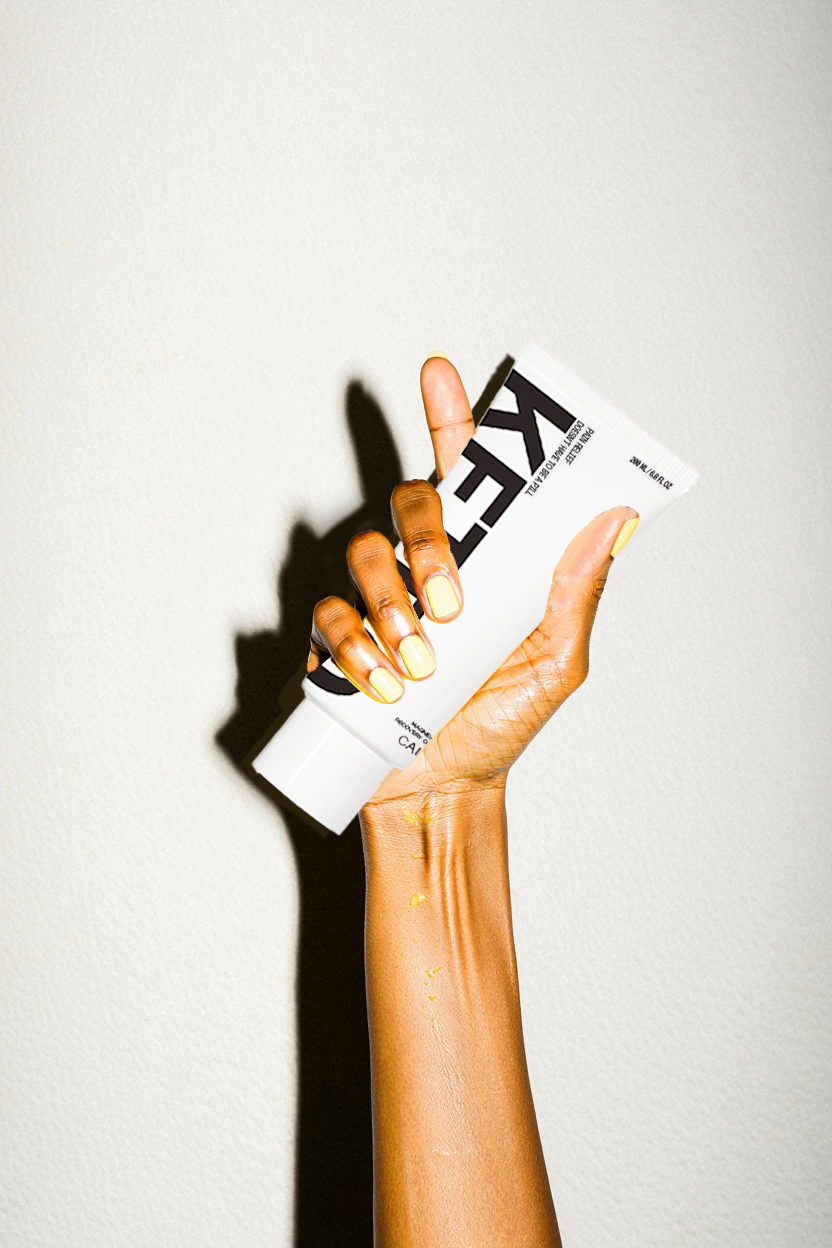
Ketro is topical pain relief for sore and tight muscles. We make two products: RX: PAIN GEL (prescription-strength ketorolac for acute and chronic pain) and CALM Magnesium Cream (daily tension relief and recovery). Both are formulated like skincare, not like a drugstore topical.
Does it actually work?
Yes. RX: PAIN GEL contains ketorolac, a prescription-strength NSAID trusted by team physicians and athletic trainers for decades. Clinical studies show it outperforms ibuprofen and naproxen for anti-inflammatory effect. CALM contains bioavailable magnesium, which supports muscle relaxation and recovery.
Do I need a prescription?
RX Pain Gel requires a prescription. You can complete a quick online consultation, and if approved, your prescription ships directly to you. CALM Magnesium Cream does not require a prescription.
What’s better: topical or oral pain relief?
For localized pain, topical is often the smarter choice. Pills flood your entire system even when the pain is just in your neck. Topical is applied exactly where tension builds and absorbs directly into the muscle. No gut disruption, no waiting for it to circulate through your whole body.
Is topical pain relief as effective as oral?
For localized musculoskeletal pain, research supports that topical NSAIDs can be comparably effective to oral, with significantly reduced systemic side effects. Topical delivery achieves therapeutic concentrations in local tissue while systemic absorption stays at just 5-15% of oral doses.
Why choose topical over ibuprofen?
Oral ibuprofen travels through your stomach, liver, and bloodstream before reaching the area that hurts. This systemic exposure can cause GI issues, kidney strain, and cardiovascular concerns with regular use. Topical delivers relief directly to the pain site without those trade-offs.
Are topical NSAIDs safer than oral NSAIDs?
Topical NSAIDs have a significantly reduced side effect profile compared to oral. Because systemic absorption is 85-95% lower, the risks of GI bleeding, kidney issues, and cardiovascular effects are dramatically reduced. That's why topical options exist in the first place
What helps with jaw pain or TMJ tension?
RX Pain Gel is effective for TMJ and jaw tension. Apply directly to the jaw, temples, and neck where tension builds. Many TMJ sufferers also use CALM for daily maintenance between flare-ups. Topical makes particular sense for TMJ because the pain is localized and you can treat it at the source.
What helps sore muscles?
Both products help with sore muscles. CALM Magnesium Cream is best for everyday soreness, post-workout recovery, and tension that builds over time. RX Pain Gel is best for acute muscle strains, inflammation, or when you need something stronger.
Can topical pain relief help with fibromyalgia?
Many fibromyalgia patients use topical relief to treat specific tender points and flare-ups without adding another systemic medication. Topical application means reduced systemic exposure, which matters when you're already managing a complex condition. Partial, targeted relief is still valuable.
What helps with neck and shoulder tension?
CALM Magnesium Cream is ideal for daily neck and shoulder tension from desk work, stress, or poor posture. For more acute pain or inflammation, RX Pain Gel delivers prescription-strength relief directly to the area.
Can topical pain relief help with arthritis?
Yes. Topical NSAIDs like ketorolac are effective for arthritis pain in specific joints. Apply RX Pain Gel directly to the affected joint. It's especially useful for arthritis in hands, knees, shoulders, and other accessible areas.
How long does it take to work?
Most people feel relief within 15-45 minutes of application. Unlike oral pain relievers that need to travel through your digestive system, topical absorbs directly into the tissue where you apply it.
Can I use it every day?
CALM Magnesium Cream is designed for daily use. Apply to shoulders after work, legs after a workout, or feet before bed. RX Pain Gel can be used as needed for pain and inflammation. Follow the usage instructions on your prescription.
Can I use this post gym or after training?
Yes. CALM is specifically designed for post-workout recovery. Apply to sore muscles after training. RX Pain Gel is useful for acute strains or when soreness crosses into actual pain.
How often can I apply Ketro?
CALM can be applied as often as needed throughout the day. RX Pain Gel should be used as directed on your prescription, typically 3-4 times daily. Because it's topical, there's no GI irritation from frequent use.
Is it greasy or heavily scented?
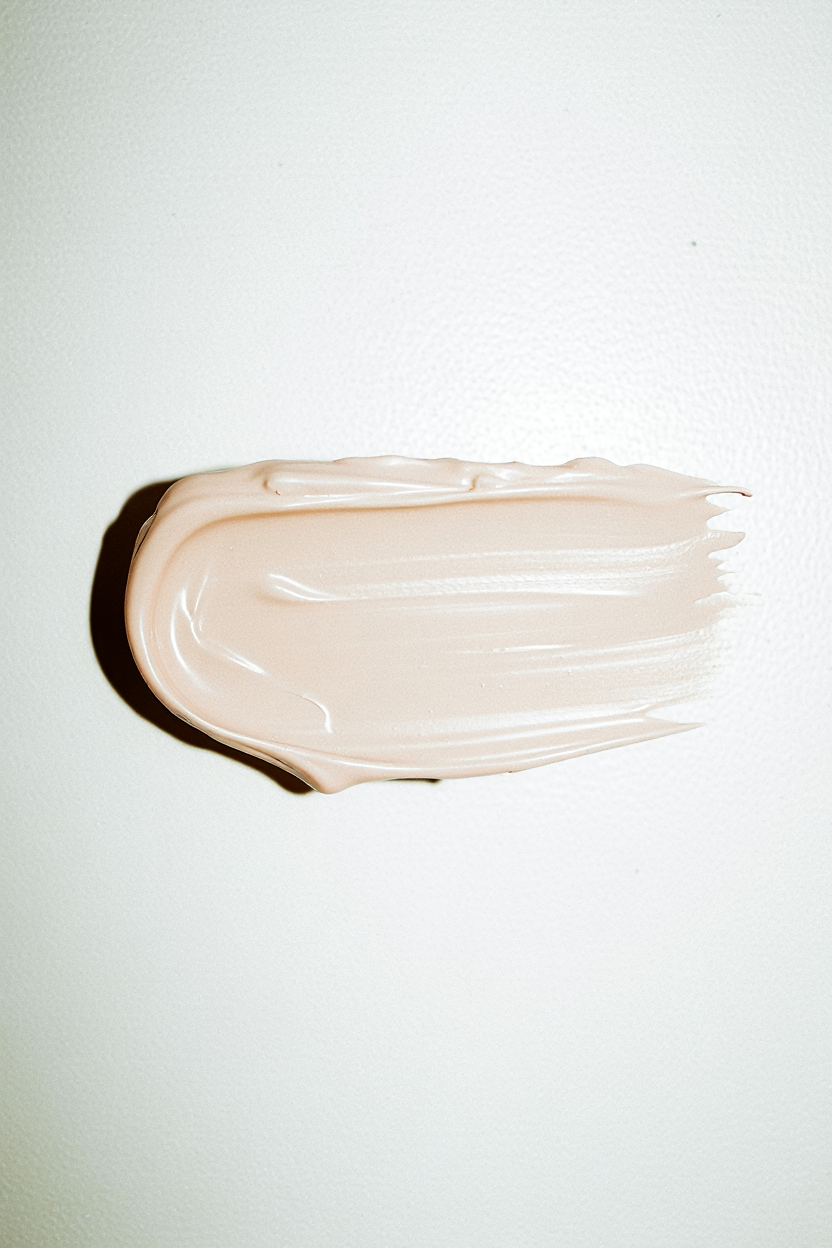
No. Both products are unscented, lightweight and fast-absorbing with no greasy residue. They're formulated like skincare, not like a drugstore topical. No overwhelming menthol smell.
Does magnesium cream help with sleep?
Many people use CALM before bed for muscle relaxation and sleep support. Magnesium plays a role in relaxation and stress response. Apply to feet, legs, or shoulders before sleep.
What's in Ketro RX: PAIN GEL?
The active ingredient is 3% ketorolac tromethamine, a prescription-strength NSAID. It's formulated with DMSO and olive oil for optimal absorption. Made in an FDA-registered facility.
Why was Ketro developed for the Boston Red Sox?
RX Pain Gel was originally formulated for the Boston Red Sox training staff, who needed fast, targeted relief for players without the systemic effects of oral pain medication. Professional athletes can't afford GI issues or the sluggishness that can come with oral NSAIDs. Topical delivery solved that problem.